Dim environment
Lower overhead lights; warm lamp only. Melatonin responds to darkness cues.

Short attention practices that fit between meetings, school runs, and Whangārei traffic—not hour-long retreats.
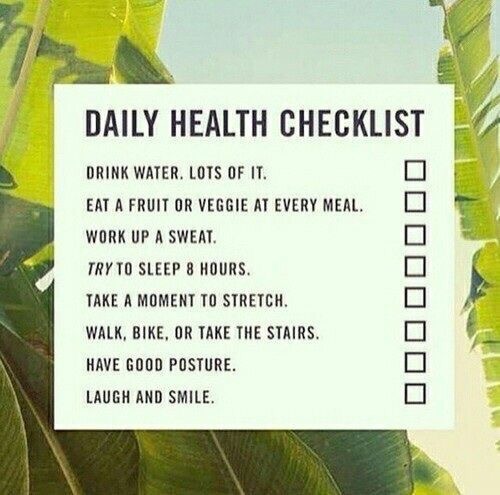

We use mindful to mean paying attention on purpose, without judging each breath or thought. Some research on brief mindfulness programmes suggests that five to ten minutes daily, practised over several weeks, may help some people feel more settled as part of a balanced routine. This is not psychotherapy; it is a general skill you can pair with sleep and movement habits from our other guides. Experiences vary.
Pick one practice and repeat it at the same cue for fourteen days: after brushing teeth, when the kettle boils, or when you sit in the car before driving. Consistency builds the habit loop more than variety.
Physiological sigh (double inhale through nose, long exhale through mouth) appears in stress physiology studies as a rapid downshift tool—use sparingly, not while driving until familiar.
Lower overhead lights; warm lamp only. Melatonin responds to darkness cues.
Paper book or stretch instead of short-form video. Novelty feeds alertness.
List tomorrow's three tasks and one worry to park—closes mental tabs.
Rate perceived stress 1–5 daily at the same time. Note triggers: poor sleep, conflict, hunger, or caffeine after 3 p.m. Over two weeks, patterns matter more than single spikes. If scores stay at 4–5 with low mood, contact 1737 or your GP—checklists complement but do not replace professional support.
| Signal | What to note | When to adjust habits |
|---|---|---|
| Morning rumination | Minutes spent worrying in bed | Add brain dump + fixed wake time |
| Afternoon crash | Energy 1–5 at 3 p.m. | Walk + protein snack experiment |
| Evening wired-tired | Heart rate feel + screen time | Screen curfew + breathing block |
Mindfulness is generally low risk. Pause if you feel dizzy during breathing practices—return to normal breathing. Trauma survivors may prefer grounding (feet, sounds) over eyes-closed meditation; choose what feels safe.
No. Timer on your phone is enough. If you use apps, read their privacy policy under NZ law.
No. It supports wind-down but does not substitute for adequate sleep duration.